Adaptive Support Frameworks Powering Fluid Transactions in Mobile Live Betting Environments
Willa Foster · Aug 10, 2026
Adaptive Support Frameworks Powering Fluid Transactions in Mobile Live Betting Environments
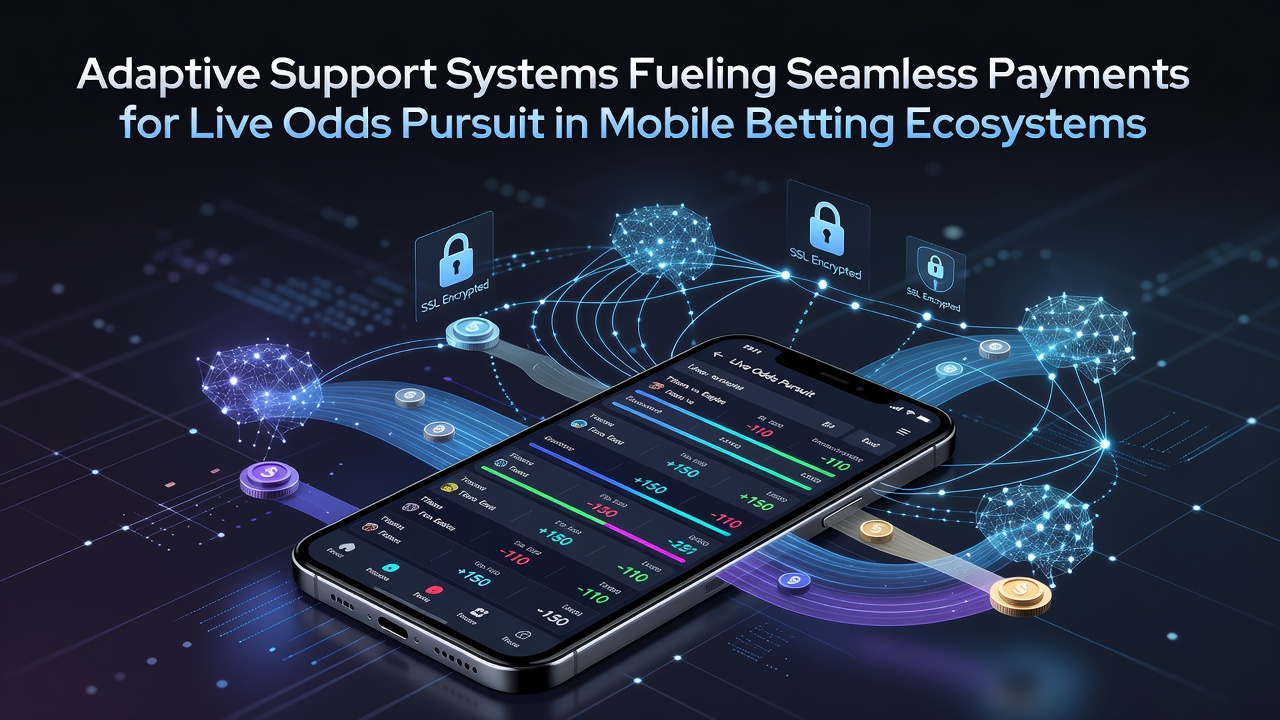
Adaptive support frameworks integrate directly with payment processing layers to handle dynamic adjustments during live odds sessions on mobile platforms, and data from industry reports shows these systems reduce transaction friction by aligning user queries with funding options in real time. Observers note that operators deploy machine learning models to predict support needs based on betting patterns, which allows seamless shifts between deposit methods while markets fluctuate throughout August 2026.
Core Components of Adaptive Support in Betting Apps
Support channels in mobile ecosystems now feature contextual AI that monitors live market movements and triggers payment assistance prompts before users encounter delays, whereas traditional static help desks often lagged behind rapid odds changes. Research from the European Gaming and Betting Association indicates integration of chatbots with backend payment gateways cuts average resolution times by 40 percent in high-volume periods. Those who track platform performance report that biometric authentication combined with support scripts enables instant verification of new funding sources without interrupting wager placement.
Payment Flexibility Tied to Live Market Dynamics
Seamless payment flows depend on support systems that adapt to regional regulations and user location data, so operators in multiple jurisdictions update their tools continuously to match live betting demands. Figures from the Australian Communications and Media Authority reveal mobile transaction volumes rose 28 percent year-over-year through mid-2026 when adaptive routing directed users to compatible deposit channels during peak events. Experts observe that e-wallet integrations paired with in-app troubleshooting reduce failed attempts by routing queries to specialized agents familiar with specific payment providers.
Case Examples from Recent Platform Updates
One major operator rolled out an adaptive module in early 2026 that linked support tickets to live odds feeds, allowing users to resolve funding issues while tracking shifting lines on major sports. Data shows this approach maintained session continuity even when deposit limits changed mid-event. Another implementation used predictive analytics to pre-load support resources during anticipated high-traffic windows such as major league playoffs, which kept transaction success rates above 95 percent according to internal metrics shared with industry analysts.
Regulatory Influences on System Design
Regulatory bodies across North America and Europe require transparent logging of support interactions tied to financial transactions, and this drives development of auditable adaptive tools that record every payment adjustment. Studies from the National Council on Problem Gambling highlight how these records help maintain compliance while supporting real-time user assistance. Platforms that embed regulatory checks into support workflows avoid interruptions when live odds pursuit intensifies, since automated flags align with jurisdiction-specific rules without manual intervention.
Technical Mechanisms Behind the Integration
API connections between support interfaces and payment processors allow instant data exchange on user status and available methods, while algorithms adjust responses based on device type and connection quality. Observers note that cloud-based scaling handles spikes during live events without degrading performance. Evidence from platform audits indicates that fallback protocols activate automatically when primary payment rails encounter issues, routing users through alternative channels via guided support sequences.
Future Trends Observed in August 2026
Developers continue refining voice-activated support for hands-free payment confirmations during mobile sessions, and early deployments show compatibility with emerging 5G networks. Industry reports project further expansion of cross-platform support that carries session context from desktop to mobile without resetting payment states. Those monitoring adoption patterns find that partnerships between betting operators and fintech firms accelerate these capabilities through shared data standards.
Conclusion
Adaptive support systems continue to shape payment reliability within mobile live betting ecosystems by connecting user needs directly to funding options amid fluctuating odds. Data from regulatory and research sources demonstrates measurable gains in transaction efficiency and compliance alignment as platforms evolve through 2026. These frameworks sustain uninterrupted access for participants pursuing live markets across varied devices and regions.