Aligning Account Confirmations with Versatile Payment Flows to Navigate Evolving Markets and Tiered Rewards in Mobile Live Environments
Willa Foster · Jul 2, 2026
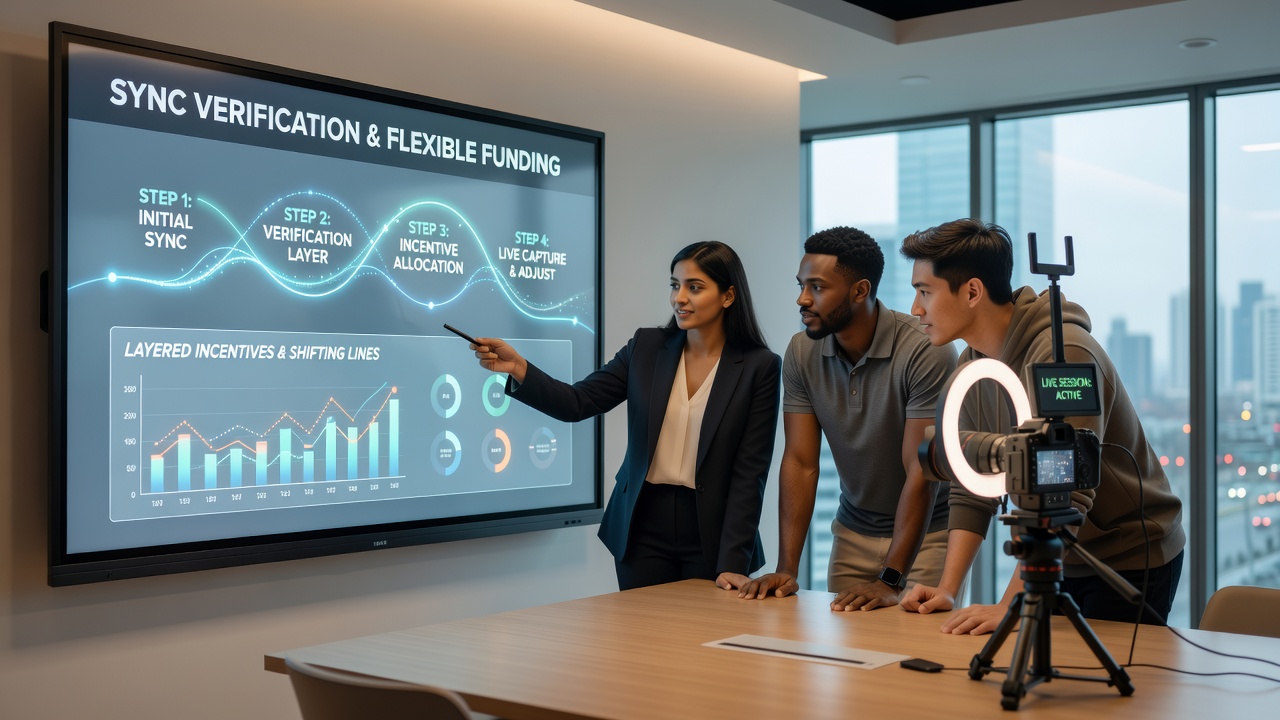
Aligning Account Confirmations with Versatile Payment Flows to Navigate Evolving Markets and Tiered Rewards in Mobile Live Environments
Platforms in the mobile gaming sector have refined processes that link account verification sequences directly to adaptable funding mechanisms, allowing participants to respond quickly when live market conditions change and layered promotional structures activate. These coordinated steps ensure that identity checks, which typically involve document uploads and data cross-references, occur alongside deposit adjustments without interrupting session continuity on handheld devices. Data from industry reports show that such alignments have contributed to higher completion rates for real-time wagers during peak event windows in early 2026.
Core Components of Verification and Funding Integration
Verification protocols often begin with basic profile elements such as email confirmation and phone linkage, then progress to more detailed identity validation that draws from government-issued records or third-party databases. When these steps synchronize with funding tools, users gain immediate access to varied payment channels including digital wallets, bank transfers, and prepaid options that adapt based on session activity. Observers note that this linkage reduces delays that previously occurred when separate systems handled each function independently, particularly during high-volume periods like major sporting events.
Flexible funding arrangements further support this model by permitting instant top-ups or reallocations that match the pace of shifting odds displays. In practice, a participant might complete an initial verification tier and then unlock higher deposit limits or bonus multipliers tied to specific live markets. Research indicates that systems employing these integrations recorded measurable increases in user retention metrics through mid-2026, as participants encountered fewer interruptions when pursuing time-sensitive opportunities.
Handling Shifting Lines During Portable Sessions
Live markets on mobile applications update continuously, with odds adjusting in response to in-game developments or external factors. When verification steps remain tied to funding flexibility, users maintain the ability to place or adjust wagers without exiting the session to resolve separate account issues. This setup proves especially relevant in environments where multiple incentive layers stack, such as deposit-match promotions combined with cashback offers that activate only after certain verification thresholds are met.
Figures from regulatory tracking efforts reveal that jurisdictions monitoring mobile gaming activity noted expanded transaction volumes in July 2026, coinciding with platforms that emphasized these synchronized features. The process typically involves automated triggers that flag verification progress and simultaneously adjust available funding routes, creating a seamless path from account status updates to active participation in dynamic markets.
Layered Incentives and Their Role in Real-Time Engagement
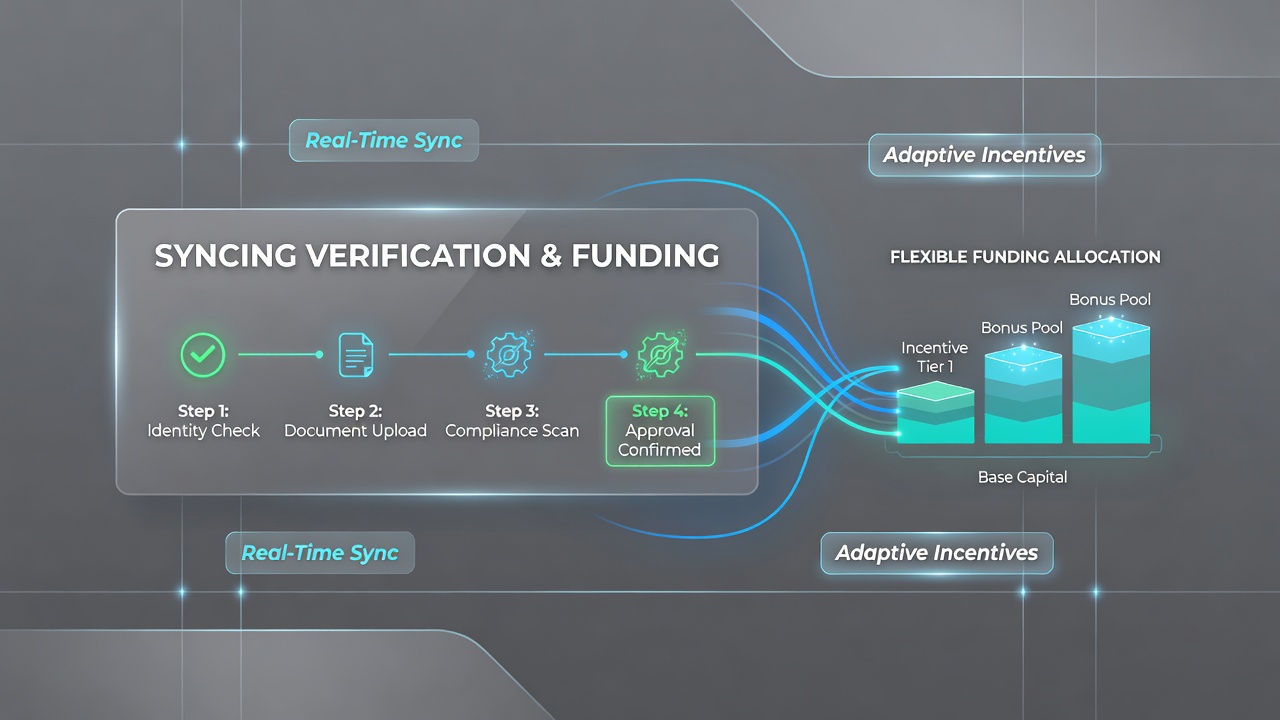
Incentive structures in mobile environments frequently combine welcome bonuses, ongoing loyalty rewards, and event-specific multipliers that require distinct funding actions to unlock. When verification processes align with these layers, participants complete required checks once and then access successive reward tiers through flexible deposit sequences. This approach supports sustained engagement because users encounter fewer barriers when attempting to capture multiple promotional elements during a single live session.
Industry analyses from organizations such as the National Council on Problem Gambling highlight how coordinated systems contribute to clearer user pathways, reducing friction points that arise when verification and payments operate in isolation. Participants often discover that once initial confirmations clear, subsequent funding adjustments automatically align with active incentive conditions, enabling quicker responses to market movements.
Technical and Operational Considerations
Backend architectures supporting these features rely on API connections that exchange status updates between verification modules and payment processors in real time. Mobile applications then surface progress indicators alongside funding options, giving users visibility into how each step influences available actions. Data compiled by research groups including the Australian Gaming Association show that platforms investing in such integrations experienced fewer session abandonments during live events throughout the first half of 2026.
Security protocols remain central, with encryption standards applied uniformly across verification data and transaction records. This unified treatment helps maintain compliance with regional requirements while preserving the speed needed for portable live sessions. Those tracking platform performance report that streamlined flows between these elements correlate with steadier participation rates even as market conditions fluctuate rapidly.
Conclusion
Coordination between verification sequences and adaptable funding mechanisms continues to shape how mobile platforms manage live market participation and incentive access. As operational models evolve through 2026, the emphasis stays on reducing interruptions while meeting regulatory standards across different jurisdictions. This ongoing development supports broader trends in portable gaming environments where timing and flexibility directly influence user activity patterns.