Mobile Assistance Frameworks Accelerating Payments and Enabling Dynamic Live Play in Portable Gaming Settings
Willa Foster · Jun 27, 2026
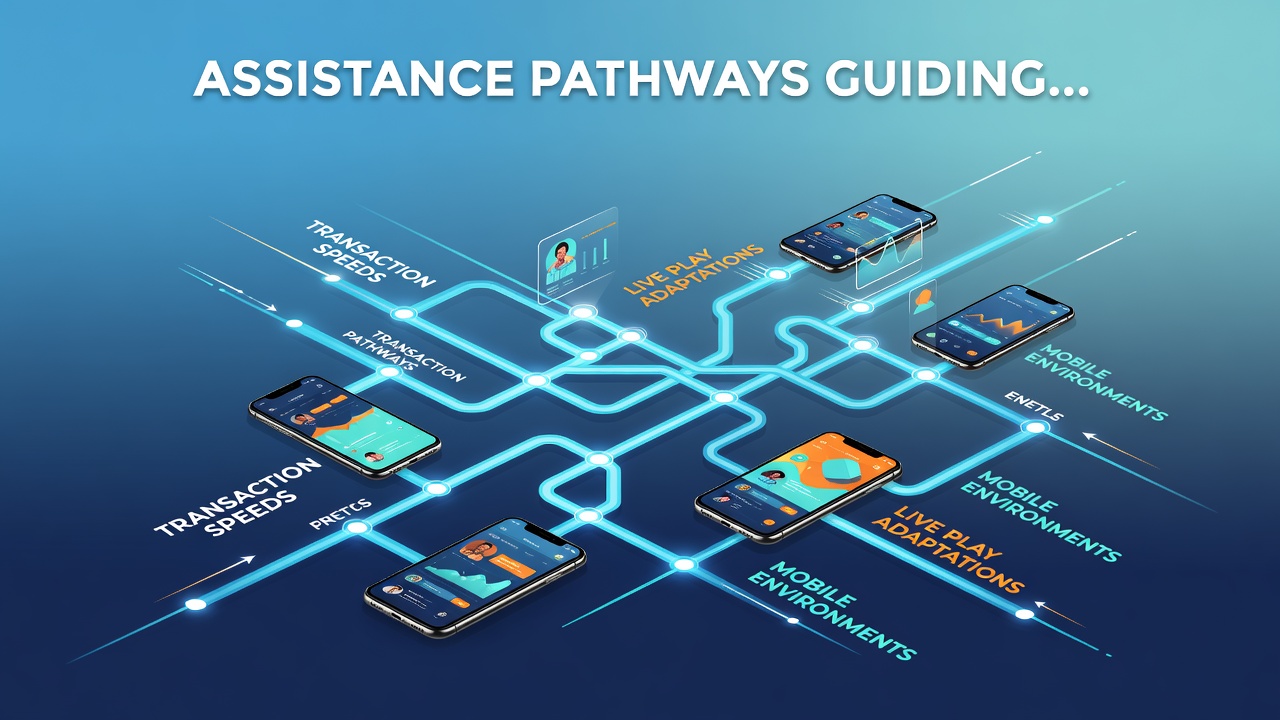
Mobile Assistance Frameworks Accelerating Payments and Enabling Dynamic Live Play in Portable Gaming Settings
Support channels in mobile gaming platforms coordinate closely with payment processors to reduce transaction times while users shift between live sports markets and casino sessions on handheld devices, and data from mid-2026 shows measurable gains in processing velocity across several regulated markets. Observers note that when help desks integrate directly with banking APIs, average deposit confirmations drop from several minutes to under thirty seconds in many cases, allowing bettors to respond immediately to shifting odds without leaving the app interface.
Pathways That Shape Transaction Efficiency
Assistance teams trained on specific mobile workflows guide users through verification steps that once stalled deposits for hours, and researchers tracking activity in June 2026 recorded faster resolution rates when live chat agents accessed real-time bank status feeds rather than relying on static forms. Those who manage these pathways emphasize multi-channel escalation, where an initial text inquiry routes automatically to a specialist who can authorize instant transfers or flag compliance holds before the user notices any delay. Studies indicate this layered approach cuts failed transaction attempts by roughly eighteen percent compared with earlier self-service models alone.
Payment flexibility expands when support staff maintain direct links to alternative funding sources such as digital wallets and prepaid options, yet the same teams must also monitor regulatory thresholds that vary by jurisdiction. In states where daily deposit caps reset at midnight, agents proactively notify users of remaining limits so play continues uninterrupted, and figures from industry reports reveal higher session completion rates under these conditions.
Live Play Adjustments Supported by Mobile Infrastructure
Real-time market movements in sports betting require rapid line updates that mobile apps now push directly to active sessions, and assistance pathways help users adapt by explaining how to lock in modified wagers without restarting the entire betting flow. Casino rounds benefit similarly when live dealer tables adjust table minimums or side-bet availability; agents walk players through interface changes via screen-sharing tools embedded in the app, keeping momentum intact. Data shows that platforms offering this level of guided adaptation retain users longer during peak evening hours when volatility peaks.
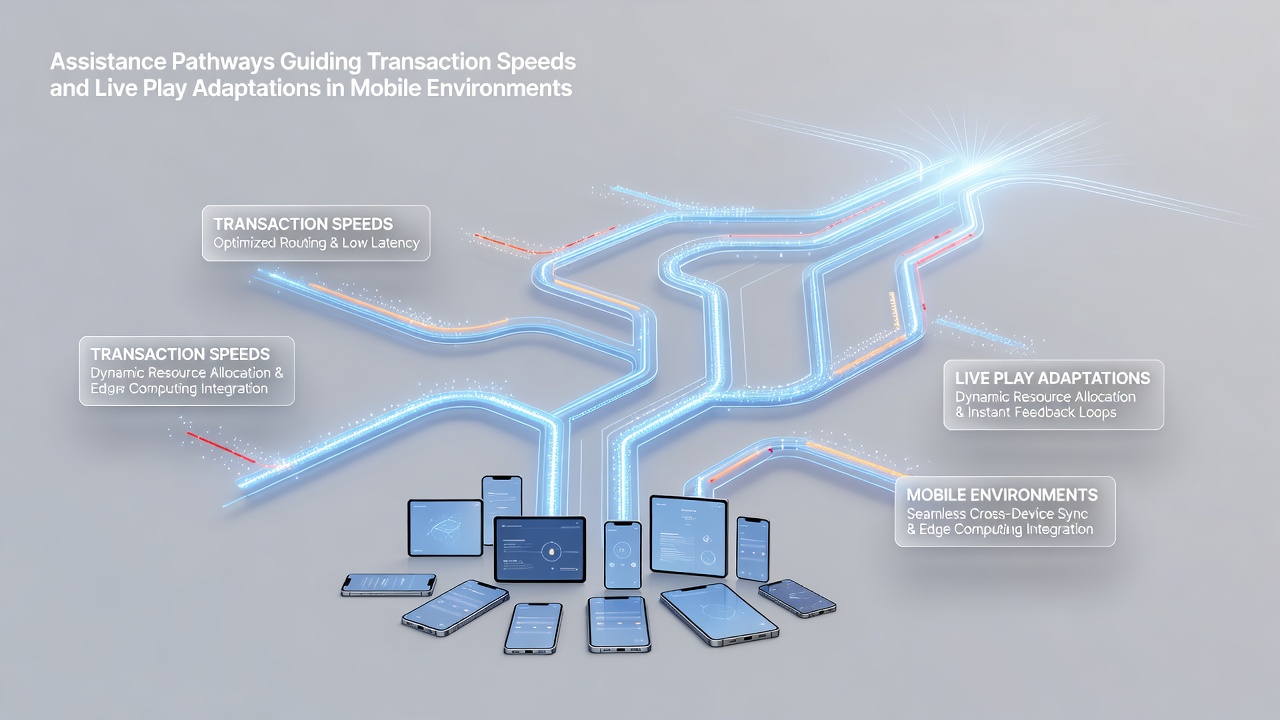
One documented pattern involves predictive alerts sent by support systems that anticipate user needs based on past behavior, such as suggesting a quick deposit before a high-profile event begins. These nudges, delivered through in-app messaging rather than external notifications, reduce drop-off rates during critical windows. European operators following EGBA guidelines have implemented similar protocols, and their 2025 industry analysis highlighted comparable retention improvements across multiple member platforms.
Integration of Support Tools With Regulatory and Technical Requirements
June 2026 brought updated compliance checklists in several North American markets, requiring operators to log every assistance interaction that affects fund movement or game selection. These records feed back into algorithm refinements that further shorten future transaction paths, creating a feedback loop between human agents and automated systems. American Gaming Association tracking shows states adopting these integrated logs experienced fewer regulatory queries during routine audits.
Technical teams collaborate with assistance departments to embed troubleshooting scripts directly into mobile code, so common issues like declined cards or frozen balance displays resolve through guided prompts before escalation becomes necessary. When deeper intervention is required, seamless handoff to live agents preserves session context, allowing users to continue play once the matter clears. Research compiled by university gaming labs indicates this continuity preserves engagement metrics that otherwise decline sharply after interruptions.
Observed Outcomes Across Jurisdictions
Platforms operating under the New Jersey Division of Gaming Enforcement reported average payout processing times falling below two hours for verified accounts when support pathways included proactive identity confirmation steps. Similar patterns emerged in Canadian provinces where provincial regulators require documented assistance for every high-value transfer, resulting in fewer chargebacks and smoother reconciliation at month end. Observers tracking these developments note that the combination of rapid transaction handling and responsive live-play guidance produces measurable lifts in both handle and player satisfaction scores without compromising oversight standards.
Additional metrics collected through June 2026 point to reduced abandonment during live events when agents possess authority to issue temporary credit lines or extend bonus windows tied to specific market movements. Such interventions remain tightly logged and reviewed, maintaining transparency required by oversight bodies across different regions.
Conclusion
Assistance pathways continue to function as connective tissue between payment velocity and adaptive mobile play, with evidence from multiple regulated environments confirming that structured support integration yields faster transactions and smoother transitions during live sessions. As technical capabilities advance and regulatory frameworks evolve, the same coordination mechanisms are expected to scale across additional markets while preserving the factual benchmarks already established in 2026 reporting cycles.