Query Architectures Fueling Real-Time Bonus Releases and Dynamic Odds Adjustments on Mobile Betting Platforms
Zara Vogel · Aug 20, 2026

Query Architectures Fueling Real-Time Bonus Releases and Dynamic Odds Adjustments on Mobile Betting Platforms
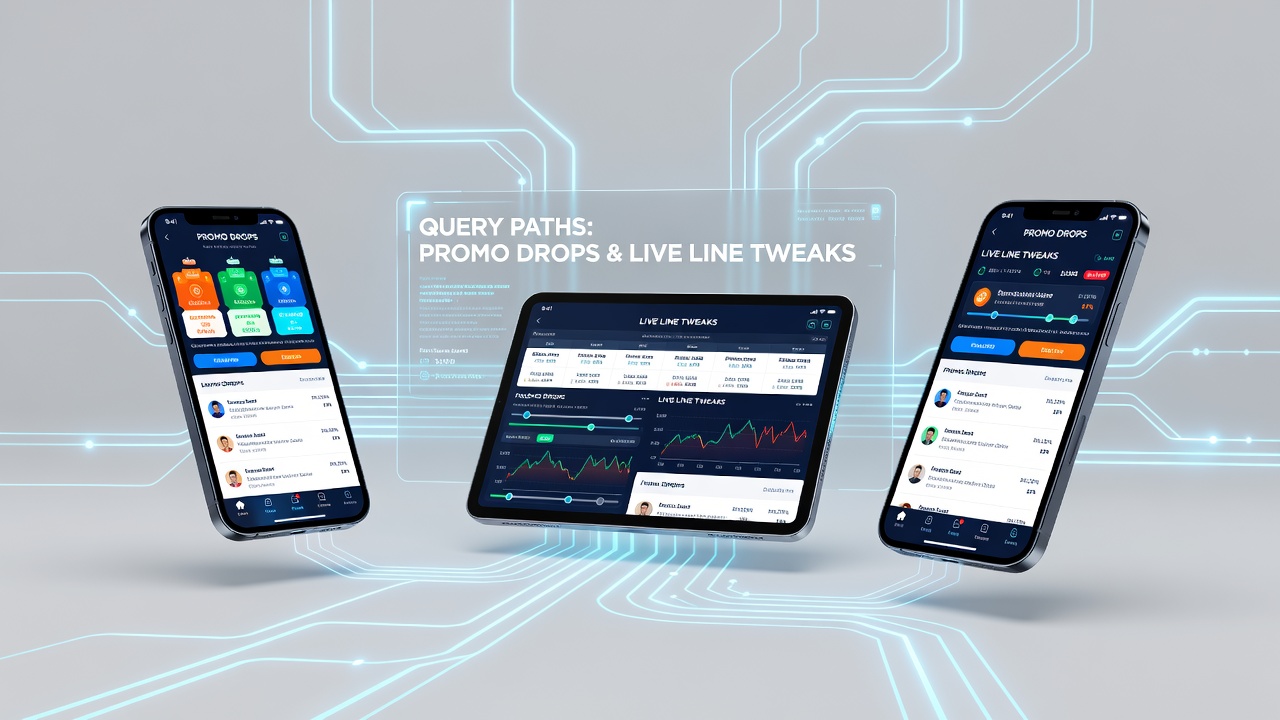
Query paths serve as the foundational routes that connect user requests to backend databases in mobile wagering systems, allowing platforms to deliver targeted promotions and adjust live betting lines without delay. These structured pathways process incoming data streams from sports feeds, user profiles, and promotional rules engines, then route the results back to app interfaces in milliseconds. Observers note that efficient query optimization has become central to operations as platforms handle increasing volumes of concurrent users during peak events in August 2026.
Core Components of Query Path Design
Developers build query paths using indexed database tables that store odds data, user segmentation criteria, and bonus eligibility flags. When a live sports event triggers a line change, the system initiates a targeted query that pulls updated probabilities from external data providers, applies risk management filters, and pushes the revised figures to connected mobile sessions. Researchers at institutions tracking gaming technology report that such paths often incorporate caching layers to reduce latency, which proves essential during high-traffic periods such as major league playoffs.
Promo drops follow similar logic but incorporate additional user-specific parameters. A query path here evaluates account history, deposit patterns, and engagement metrics against predefined campaign rules before generating personalized offers. Those who study platform architecture point out that segmentation queries run in parallel with odds updates, enabling simultaneous delivery of both a revised betting line and a matching bonus notification within the same app refresh cycle.
Integration with Live Data Feeds
Mobile wagering platforms rely on continuous data feeds from leagues, statistical services, and regulatory-compliant sources to keep lines accurate. Query paths translate these feeds into actionable database calls that isolate relevant markets, such as player props or in-game totals, then recalculate odds based on incoming information. Data from the American Gaming Association shows turnover growth tied directly to platforms that maintain sub-second query response times during live events.
August 2026 brought expanded testing of multi-threaded query execution across several major operators, allowing simultaneous handling of thousands of line tweaks without service interruption. Industry reports indicate that these advancements reduced average update latency by measurable margins compared with earlier single-thread models, supporting higher handle volumes in states with mature regulatory frameworks.
Security and Compliance Considerations
Every query path incorporates authentication tokens and encryption protocols to protect user data during promo targeting and odds transmission. Regulatory bodies in multiple jurisdictions require audit logs of all query executions that affect financial outcomes, ensuring traceability from initial data request through final display on the mobile interface. A study published by the University of Nevada, Las Vegas gaming research center documented how platforms that log query metadata achieve faster compliance verification during routine examinations.
Operators also implement rate-limiting within query paths to prevent abuse while preserving performance for legitimate traffic. This balance allows rapid promo distribution to eligible users without exposing systems to overload from automated scripts or coordinated attacks.
Performance Metrics and Platform Scaling
Platform operators track metrics such as query execution time, cache hit rates, and concurrent connection capacity to evaluate path efficiency. Figures from European gaming trade groups reveal that leading mobile systems now process over 10,000 line adjustments per minute during peak windows, with corresponding promo queries running in the background. Those metrics correlate with user retention rates when updates reach devices before competing platforms complete similar changes.
Scaling efforts in August 2026 included deployment of distributed query processors across regional data centers, shortening physical distance between mobile clients and backend resources. Observers note that this geographic distribution complements the logical structure of query paths, delivering consistent speeds regardless of user location within regulated markets.
Conclusion
Query paths continue to underpin the operational backbone of mobile wagering by routing data between live feeds, promotional engines, and user interfaces. Their design directly influences how quickly operators can release bonuses and modify odds, shaping the overall experience available to participants. As regulatory environments and user volumes evolve, refinements to these pathways remain a primary focus for maintaining reliability and compliance across the sector.