Rapid Response Networks: Facilitating Payment Adaptability For Mobile Live Bets And Casino Incentives
Parker Reed · Jul 20, 2026
Rapid Response Networks: Facilitating Payment Adaptability For Mobile Live Bets And Casino Incentives
Observers in the iGaming sector note that rapid response networks have emerged as critical infrastructure for handling payment adaptability across mobile platforms that support live bets and casino incentives, particularly as transaction volumes surged in the first half of 2026. These networks connect financial processors, operator systems, and user devices through layered protocols that detect shifts in market conditions or bonus eligibility within seconds, allowing deposits and withdrawals to adjust without interrupting ongoing wagers or promotional claims. Data from industry monitoring shows that platforms integrating such networks achieved higher completion rates for real-time transactions during live events, where odds fluctuate continuously and incentive windows close quickly.
Core Mechanisms Behind Rapid Response Networks
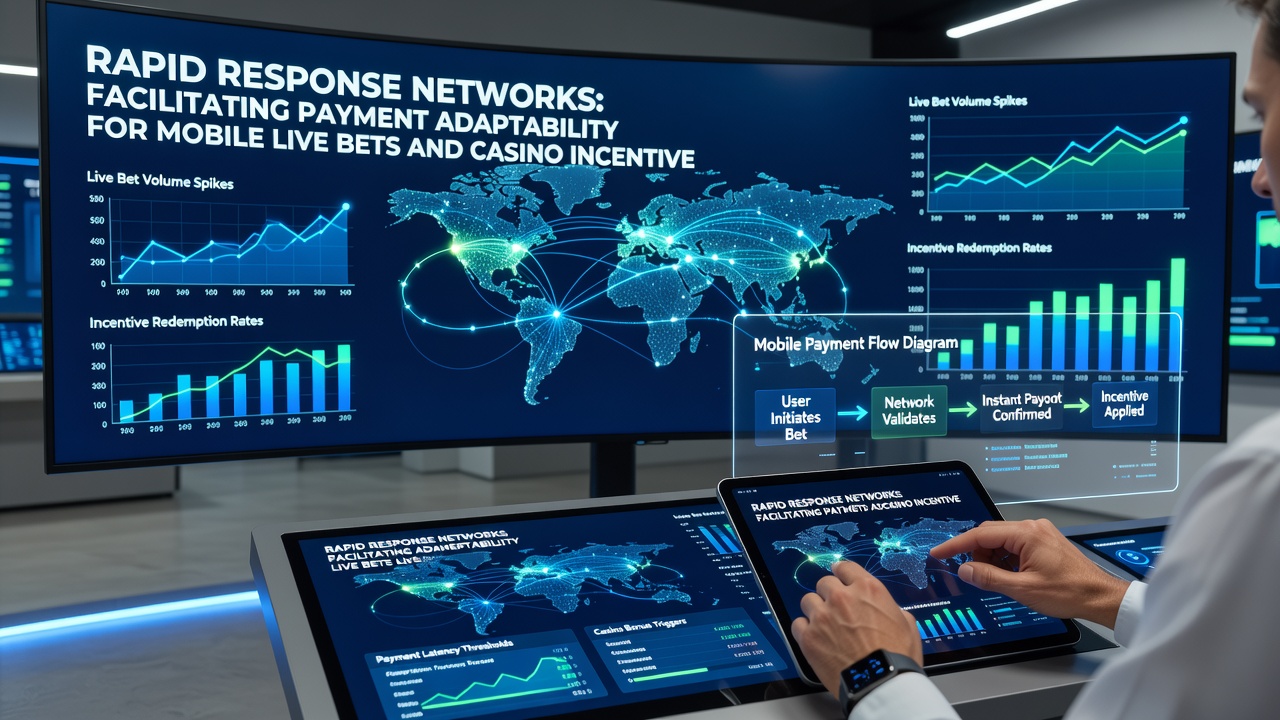
Engineers design these networks around event-driven triggers that monitor account activity, regulatory compliance checks, and liquidity pools simultaneously, routing payments through the most responsive channels available at any moment. Researchers at academic institutions studying digital payment ecosystems have documented how algorithmic routing reduces latency by prioritizing paths that align with current network loads, while fallback mechanisms activate when primary processors encounter delays. In practice this means a user attempting a deposit to claim a casino incentive can see funds reflected instantly even if one banking partner experiences temporary congestion, because the network automatically shifts to an alternate route that maintains compliance with regional rules.
Adaptability for Mobile Live Betting Scenarios
Mobile environments introduce variables such as variable signal strength and device resource constraints that rapid response networks address through lightweight API layers and cached verification tokens. Figures from payment technology reports indicate that operators using these systems processed a notable increase in live bet funding requests during major sporting calendars, where bettors often needed to top up balances between plays without exiting the application. Those who studied transaction logs from mid-2026 observed that networks capable of sub-second rerouting helped maintain session continuity, allowing users to respond to shifting lines in athletic markets while casino incentive notifications appeared alongside the betting interface.
Integration with Casino Incentive Structures
Casino incentives frequently tie to deposit timing or specific game categories, requiring payment systems to validate eligibility criteria before funds clear. Rapid response networks incorporate rule engines that cross-reference user history, promotional codes, and jurisdictional limits in parallel streams, which minimizes rejected transactions that could otherwise frustrate participants. According to analyses released by the European Gaming and Betting Association in early 2026, platforms that synchronized incentive logic with network responsiveness reported smoother uptake of bonus features, particularly when mobile users switched between sports odds and slot sessions within the same session.
What's interesting is how these networks handle multi-currency and multi-method support without forcing users through lengthy re-verification steps. A single profile activation can link several funding sources, yet the response layer selects the optimal combination based on current exchange rates, fee structures, and bonus multiplier eligibility, all while staying within the parameters set by oversight bodies in various regions.
Regulatory and Operational Context in July 2026
By July 2026 several jurisdictions had updated guidelines around instantaneous fund movements in digital gaming, prompting operators to enhance their rapid response capabilities to meet new disclosure requirements. The Nevada Gaming Control Board published updated compliance frameworks that emphasized audit trails for adaptive payment routing, which encouraged wider adoption of network architectures capable of logging every reroute decision. Meanwhile reports from the Australian Communications and Media Authority highlighted similar trends in mobile gaming markets, where payment adaptability directly influenced how quickly users could access time-sensitive casino incentives tied to live events.
One study from a North American research consortium revealed that networks with robust redundancy layers experienced fewer interruptions during peak traffic periods, such as championship weekends when both sports betting adn casino activity spike concurrently. This operational resilience stems from distributed node structures that share real-time status data across regions, allowing a payment initiated in one market to draw from liquidity managed elsewhere if local conditions warrant it.
Technical Considerations and User Pathways
Developers implement these networks using modular components that separate verification, authorization, and settlement phases, which permits independent scaling as demand grows. Support channels play a supporting role by providing status updates derived directly from network telemetry, helping users understand why a particular deposit route was selected or when an incentive becomes available after funds clear. Observers note that seamless handoffs between automated network decisions and human-assisted troubleshooting reduce friction in scenarios where regulatory flags trigger additional reviews.
Take one operator that deployed rapid response protocols across its mobile suite during the spring of 2026 and subsequently tracked a measurable uptick in completed live wager sequences paired with incentive redemptions. The architecture allowed dynamic adjustment of payment limits based on real-time risk scoring, which aligned deposit flexibility with the pace of changing odds and promotional cycles without compromising security protocols.
Conclusion
Rapid response networks continue to evolve as foundational elements that link payment adaptability with the demands of mobile live betting and casino incentives. Their ability to process concurrent checks, reroute transactions, and maintain compliance across jurisdictions supports the fluid movement of funds that modern platforms require. As regulatory landscapes shift and user expectations for immediacy grow, these systems provide the connective tissue that keeps live markets and promotional ecosystems functioning without interruption.