Syncing Onboarding Sequences with Transaction Routes and Aid Networks to Capture Shifting Lines in Handheld Athletic Markets and Reel Experiences
Willa Foster · Jun 15, 2026
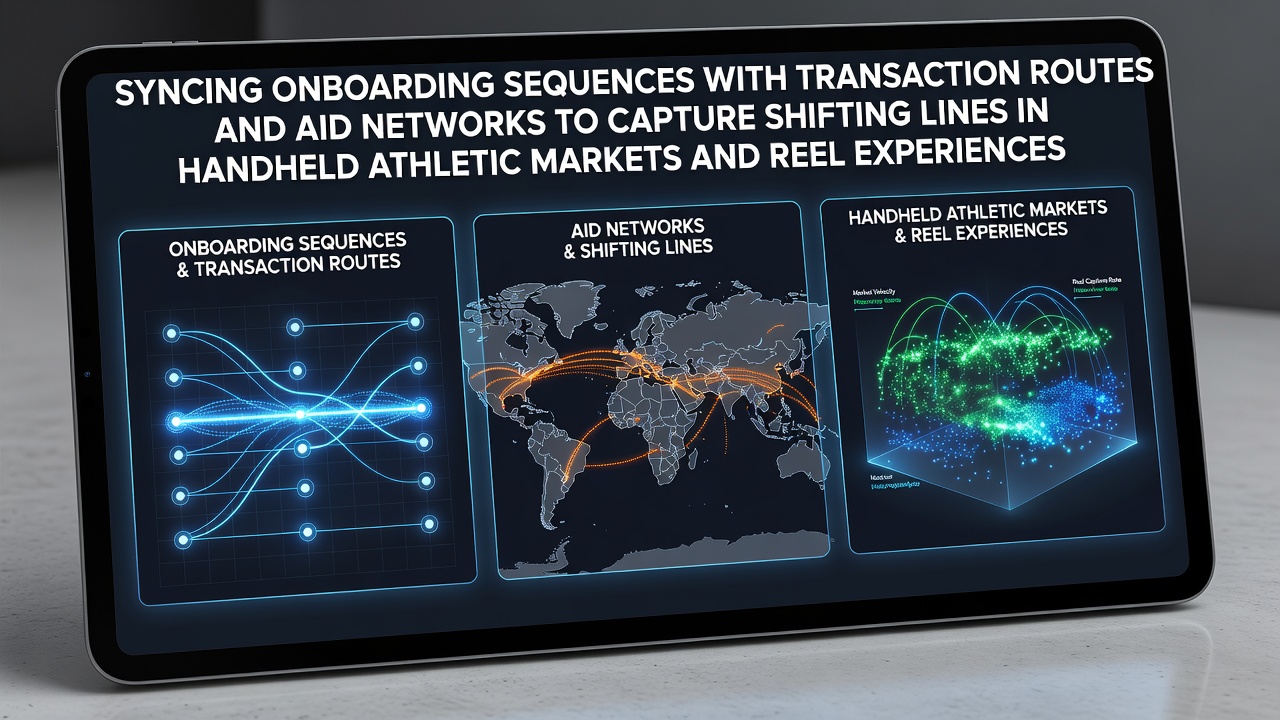
Syncing Onboarding Sequences with Transaction Routes and Aid Networks to Capture Shifting Lines in Handheld Athletic Markets and Reel Experiences
Observers note that platform operators have refined the integration of user registration flows with payment processing pathways and customer support structures to respond to rapid changes in mobile sports wagering lines and casino reel outcomes. Data from industry monitoring services shows these coordinated systems allow real-time adjustments during peak activity periods in June 2026.Core Components of Integrated Mobile Systems
Account creation sequences now link directly to deposit mechanisms and assistance channels through unified backend protocols. Research indicates that this linkage reduces delays when odds shift in athletic events or when bonus features activate on digital reel platforms. Those who manage these operations report that synchronized data exchanges between onboarding modules and transaction engines support continuous market responsiveness.
Payment route adaptability plays a central role here. Multiple funding methods connect through secure gateways that update automatically as regulatory requirements evolve across regions. Figures from regulatory filings reveal increased adoption of instant verification tools that align with support ticket systems to resolve issues during live market fluctuations.
Handling Dynamic Market Movements
Handheld athletic markets experience frequent line adjustments based on player news, weather data, and betting volume. Coordinated aid networks enable operators to push updated odds directly to active sessions without requiring users to restart applications. Studies from academic institutions tracking mobile engagement patterns demonstrate that such integrations maintain session continuity even when external events trigger rapid changes.
Reel experiences in casino-style applications follow similar patterns. Bonus triggers and feature unlocks depend on timely transaction confirmations that sync with user profiles established during initial setup. Evidence from platform analytics shows that seamless connections between these elements support higher retention rates during promotional periods in mid-2026.
Regional Regulatory Influences
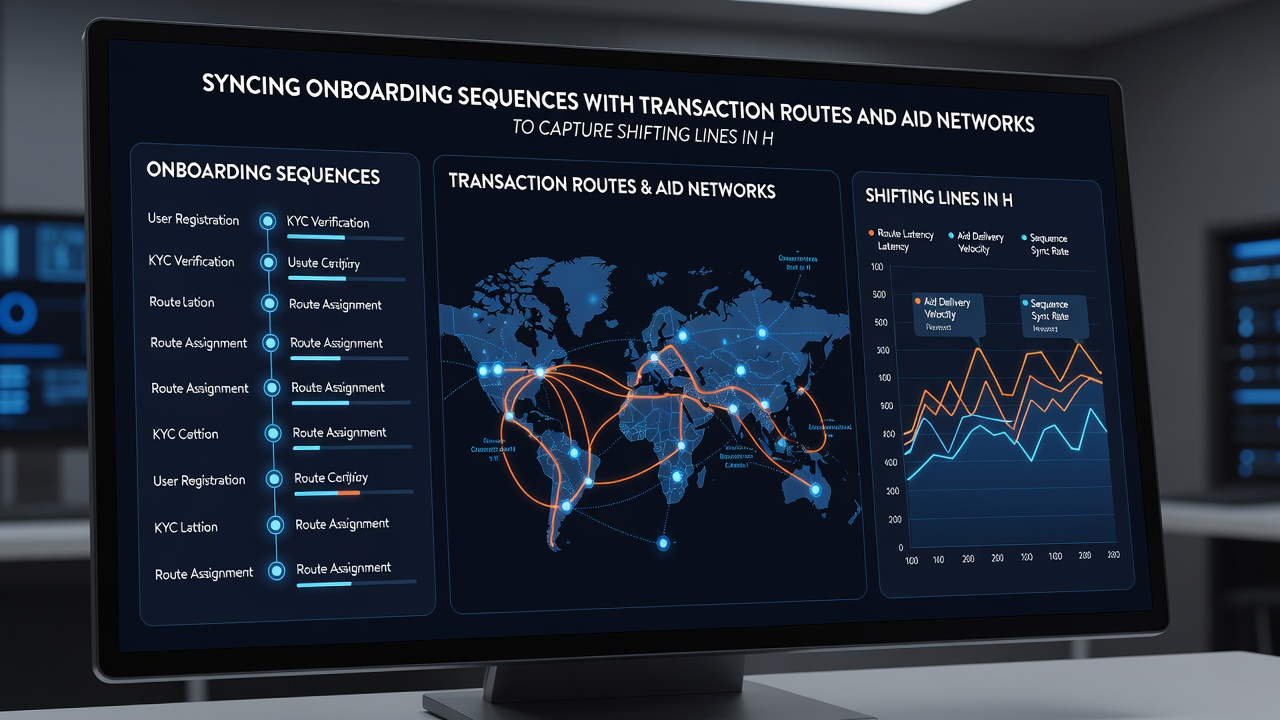
Authorities in various jurisdictions have introduced guidelines that encourage tighter coordination between onboarding, payments, and support functions. The Australian Communications and Media Authority has documented cases where integrated systems improved compliance tracking for mobile operators. Similar developments appear in Canadian provincial reports that highlight the role of flexible funding options in adapting to market shifts.
European trade organizations have published overviews noting that platforms using connected aid networks respond more effectively to cross-border transaction requirements. These reports emphasize data flows that link user verification steps with real-time support interventions during athletic line movements.
Technical Implementation Patterns
Developers employ API frameworks that route information between registration databases, payment processors, and helpdesk applications. Observers who analyze code repositories note increased use of event-driven architectures that trigger updates across all connected components when market conditions change. This approach supports both sports line adjustments and reel feature modifications without separate manual interventions.
Case examples from platform deployments illustrate how automated alerts from support networks guide users through funding updates when new deposit methods become available. Such mechanisms prove particularly useful in environments where athletic markets and reel promotions run concurrently on the same applications.
Future Tracking and Measurement
Industry reports scheduled for release later in 2026 plan to examine the long-term effects of these synchronized systems on user activity metrics. Preliminary data collected through June suggests measurable improvements in response times to line changes across multiple device types. Researchers at various institutions continue to collect metrics on how transaction flexibility influences overall platform stability during high-volume periods.
Conclusion
Platform operators continue to refine connections between onboarding sequences, transaction routes, and aid networks to manage shifting conditions in handheld athletic markets and reel experiences. Available data points to ongoing technical and regulatory developments that shape these integrations through the remainder of 2026 and beyond.